Blankets & Shukas
A Maasai blanket, often referred to as a “Shuka,” is a traditional garment and textile that holds cultural significance among the Maasai people, an indigenous ethnic group primarily located in Kenya and Tanzania. The Maasai blanket is known for its vibrant colors, bold patterns, and versatility, and it serves various functions within Maasai culture.
Key features and aspects of a Maasai blanket (Shuka) include:
- Material: Maasai blankets are typically made from a durable and thick fabric, often woven from acrylic fibers. While traditionally, animal skins and wool were used, the modern versions are often made from more accessible and affordable materials like acrylic.
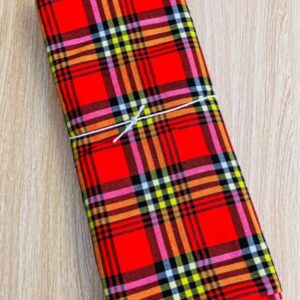
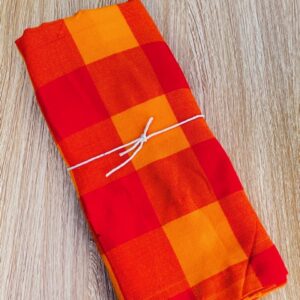
- Colors and Patterns: Maasai blankets are known for their striking and bright colors, which are achieved through a combination of dyeing techniques. The blankets feature bold geometric patterns, stripes, and sometimes intricate designs that have cultural and symbolic significance within the Maasai community.
- Versatility: Maasai blankets are extremely versatile and have multiple uses. They can be worn as clothing, wrapped around the body as a shawl, used as a blanket, spread as a seating mat, or even carried as a bag when folded and tied.
- Cultural Significance: The Maasai blanket holds cultural importance and is often associated with rites of passage, ceremonies, and communal gatherings within the Maasai society. It can symbolize various aspects of Maasai life, such as age, marital status, and warrior status.
- Gender Distinctions: Different patterns and colors of Maasai blankets may be associated with specific genders, ages, or roles within the community. For example, specific patterns and colors might be worn by Maasai warriors, young men, or women of different ages.
- Trade and Tourism: Maasai blankets have gained recognition and popularity beyond their cultural context. They are sometimes used as decorative items or clothing accessories in urban areas, and they are also often sold as souvenirs to tourists visiting Maasai communities.
- Economic Impact: The production and sale of Maasai blankets contribute to the livelihoods of Maasai artisans and their communities. It provides a source of income and helps preserve traditional weaving and dyeing techniques.
Maasai blankets are not only practical and functional but also serve as important cultural symbols that reflect the identity, heritage, and history of the Maasai people. They are a tangible representation of the unique traditions and artistic expressions of this indigenous community.
Showing all 4 results